Latest

Kef LS50 Speaker Drive Unit Testing


Up for test is the raw drive unit from Kef’s flagship LS50 monitor. This bookshelf speaker set has gotten a whole lot of praise over the years and as of this writing (02/03/2020) is currently priced at $899 on Amazon (affiliate link here), if you feel so inclined to purchase them.

Read more

Kef R300 Speaker Drive Unit Testing


By now you’ve probably seen my testing of the Kef Q100 drive unit. I had read the next step in the Kef Uni-Q line are the drivers in the “R” series. So, a fella let me borrow the 5 inch midrange drive unit from the R300 speaker to test. The R300 comes with a separate woofer but I was not sent this. The only way to obtain these drivers individually is to purchase the speakers they come with (such as the R300 or R500 speaker) and remove them. Which brings up something worth noting: I am testing these raw drivers as more or less for knowledge purposes. These kind of tests tell us exactly what the basis for a speaker is (drive units + enclosure + circuit design). If Kef is starting with a great drive unit then one can logically assume they have likewise extended efforts to use them as a speaker component in a manner which reflects their ‘raw’ performance. In other words, if the drive unit design is great, odds are so is the complete speaker it’s used in. Now, let’s get on with it!

Read more
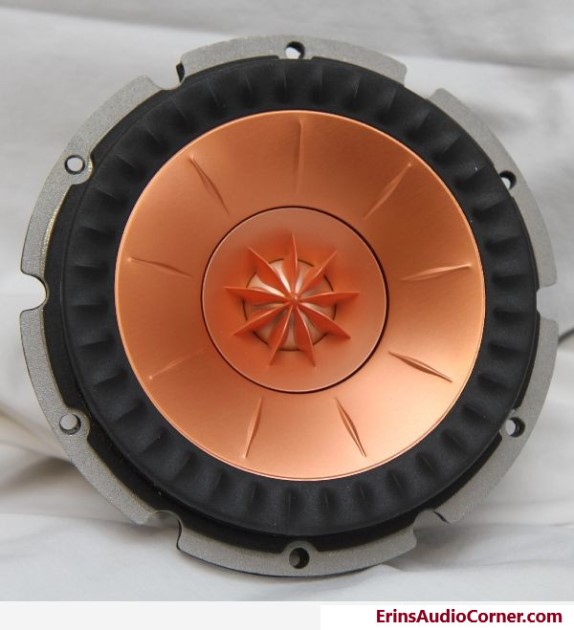
Kef Q100 Speaker Drive Unit Testing


As with the Kef HTS3001SE I tested, I ordered a set of the Kef Q100 Bookshelf speakers in order to remove and review the raw Q100 driver itself. I really wanted to see how this coaxial design performed. Zaph had already tested this one but I wanted to do Klippel LSI testing on it to see how the suspension performed. He actually mentioned this in his writeup and I thought it would be cool to provide the results. Of course, since I had it on the test baffle I did some other standard measurements as well. The one I was interested in, but didn’t perform on the HTS3001SE driver was tweeter frequency response performance with movement of the woofer. I don’t necessarily have an easy way to test this so I did something a bit different: I used a 9v battery to statically ‘fix’ the woofer either in the coil out or coil in position and measured the response. I then compared this to the woofer at rest performance of the tweeter and did a direct comparison. This is discussed further below.

Read more